I had been standing on the shoulder of Route 40 in Patagonia for four agonizing hours. The wind was howling, blasting freezing dust into my eyes, and my thumb felt like it was going to fall off. Three massive semi-trucks had already blown past me without even touching their brakes.
I was cold, dehydrated, and starting to panic. The sun was dipping below the Andes, and the prospect of spending the night shivering in a ditch was becoming very real.
Just as I was about to give up and start walking back to the nearest gas station, a battered, decades-old pickup truck slammed on its brakes and skidded to a halt in the gravel. The door swung open, and an old gaucho with a missing front tooth grinned at me. "Veni!" he yelled over the roar of the engine.
That ride didn't just save me from a freezing night in the desert; it resulted in a shared meal of empanadas, a deep conversation about Argentine politics (mostly communicated through hand gestures), and a memory I will carry to my grave.
Everyone tells you that hitchhiking is dead. They tell you it's too dangerous, too slow, and a relic of the 1970s.
They are completely wrong. Hitchhiking is the ultimate hack for budget travel, and more importantly, it is the purest way to restore your faith in humanity. Here is the unfiltered, brutally honest guide to surviving and thriving on the open road.
The Cinematic Struggle: Overcoming the Fear Factor
The biggest barrier to hitchhiking isn't a lack of cars; it's the paralyzing fear instilled by decades of true-crime podcasts and horror movies.
We have been conditioned to believe that every stranger who stops to pick up a backpacker on a lonely road has sinister intentions.
Here is the truth: The vast majority of people who pull over are simply bored, lonely drivers who want someone to talk to, or locals who understand how difficult it is to travel without a car in remote areas.
If you let fear dictate your travels, you will spend thousands of dollars on sterile, air-conditioned tour buses. You will only meet other tourists. You will never experience the raw generosity of a stranger.
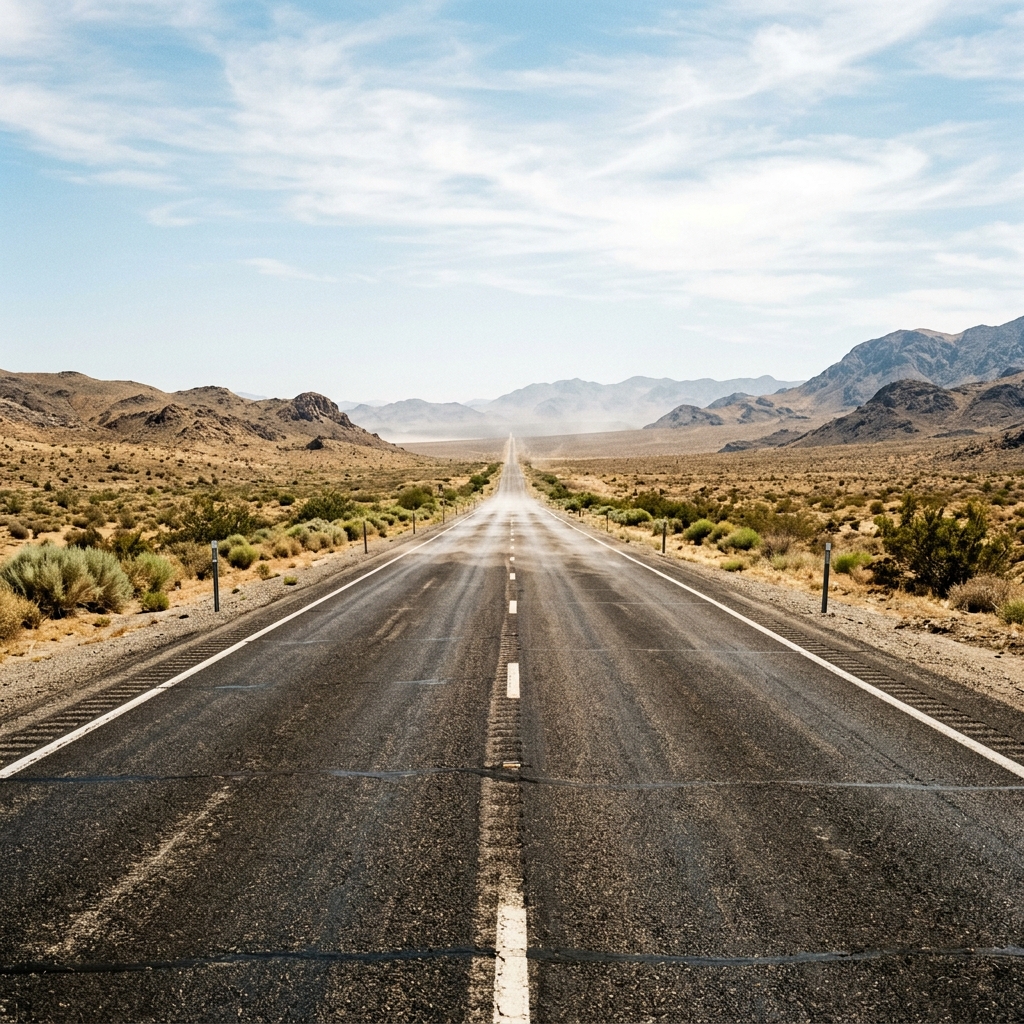 Yes, you will spend hours staring at an empty road. It is hot, boring, and mentally exhausting. But the payoff is absolute freedom.
Rule #1: Location is Everything
You cannot hitchhike from the center of a city. Period. You will just look like a confused pedestrian.
You must get to the absolute edge of town, precisely where cars are accelerating onto the highway. You need three things: 1. Visibility: The driver needs to see you from at least 300 meters away so they have time to process your presence and decide to stop. 2. A Safe Pullout: If a semi-truck cannot safely pull over onto a wide shoulder, they will not stop, no matter how sympathetic they are. 3. Low Speed: Cars going 120km/h on a multi-lane interstate are virtually impossible to flag down. Find on-ramps, gas stations, or toll booths where traffic naturally slows down.
Rule #2: Look Like a Traveler, Not a Threat
If you are wearing dark sunglasses, a hood pulled over your head, and scowling at traffic, nobody is going to pick you up.
You are asking a stranger to invite you into their personal, confined space. You must look completely non-threatening.
Take off your sunglasses so they can see your eyes. Put your massive backpack clearly in view so they immediately understand you are a traveler, not a local vagrant. And most importantly: Smile. Even if you have been standing in the rain for three hours, paste a massive, friendly smile on your face.
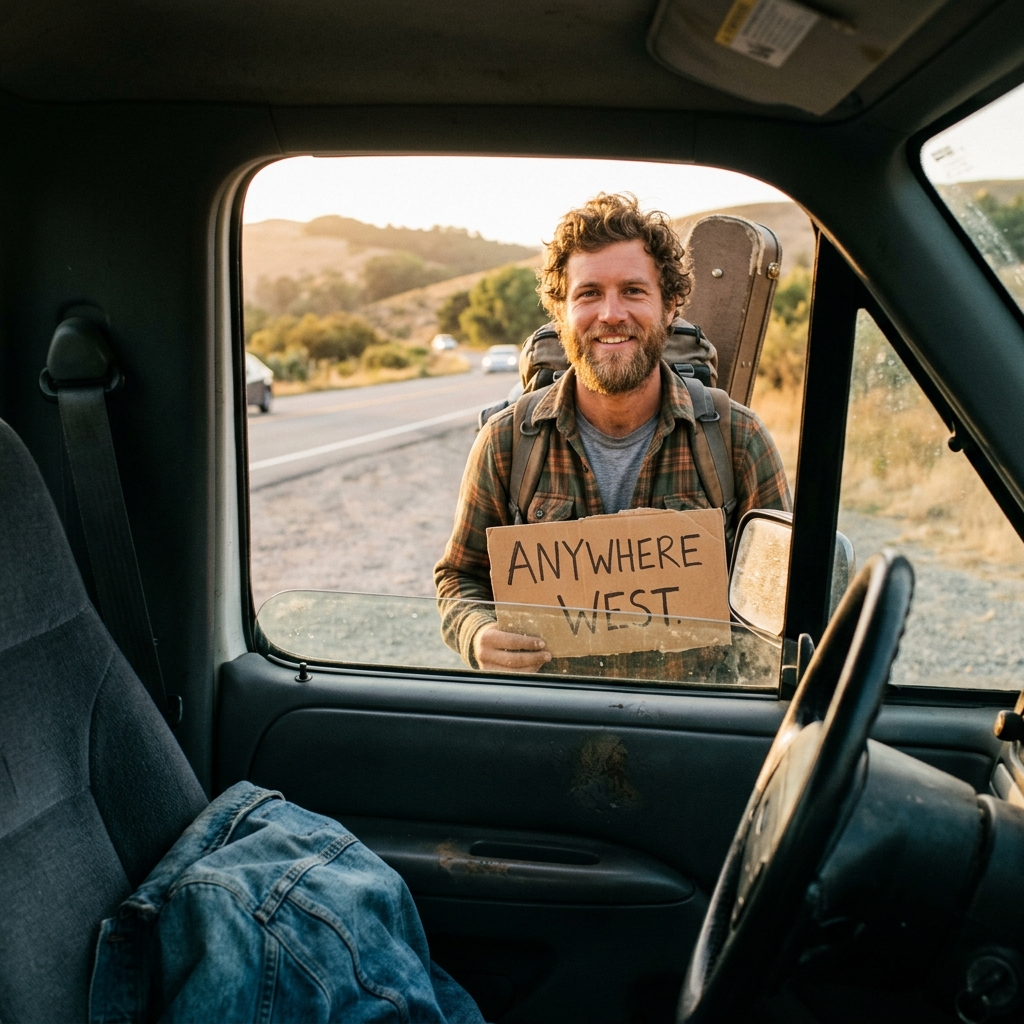 Eye contact and a genuine smile are your most powerful tools. Drivers make a split-second judgment about your character.
Never Get Lost Again
When a stranger drops you off at a random intersection in a foreign country, you need reliable offline maps and a massive battery reserve.
Check Current Price (Sale)*Rugged, waterproof 26,800mAh power banks designed for off-grid survival.
Rule #3: Trust Your Gut Instincts
This is the non-negotiable safety rule of hitchhiking.
When a car pulls over, you do not have to get in. You approach the window, talk to the driver, ask where they are going, and instantly evaluate their demeanor. If they seem intoxicated, overly aggressive, or if your gut simply screams "NO," you politely decline.
Say something like, "Oh, my friend is actually meeting me in the next town over, I need a ride going a different direction. Thank you anyway!"
Never compromise your safety out of politeness.
Final Verdict: The Vulnerability Reward
Hitchhiking is difficult. It requires immense patience, a tolerance for bad weather, and a willingness to surrender control over your itinerary.
But the reward is staggering. Hitchhiking forces you to be vulnerable, and in return, the world steps up to take care of you. You will meet farmers, businessmen, traveling salesmen, and eccentric locals that you would never interact with in a hostel bar.
You will save thousands of dollars on transport, but more importantly, you will collect stories that money literally cannot buy.
Stick out your thumb. The road is waiting.